Blog
How Martial Arts Training Enhances Focus and Performance in Rexburg
The same training that sharpens your technique can sharpen your attention, decision-making, and follow-through in everyday life.
In Rexburg, it is normal to feel like your brain has too many tabs open. Between classes, work shifts, family responsibilities, and the constant tug of notifications, focus becomes less like a trait and more like a skill you have to train. That is where martial arts fits in so well, because it gives you a repeatable way to practice attention on purpose, not just hope it shows up when you need it.
We see this every week in our classes. People come in wanting fitness, stress relief, or self-defense, and they end up noticing something else: their mind stays on task longer. The habits that make you better on the mat, like staying calm under pressure and making quick choices with limited information, tend to carry into studying, work projects, and even conversations.
This matters locally. With BYU-Idaho in town, Rexburg has a lot of driven students and young families who are trying to perform well with limited time. The right training environment helps you build focus the same way you build technique: small reps, clear feedback, and enough challenge to grow without getting overwhelmed.
Why martial arts is a focus-training system, not just a workout
Most people think of martial arts as physical: movement, conditioning, drills, sparring. All true. But what often surprises beginners is how mentally demanding it is in a good way. You have to pay attention to details, adjust quickly, and keep your emotions from driving your decisions.
From a brain standpoint, that combination is powerful. A 2024 review in the Journal of Pharmacy and Bioallied Sciences highlighted how martial arts training can increase brain-derived neurotrophic factor, or BDNF, which supports learning and memory. In practical terms, your body is not just getting stronger. Your brain is getting better at adapting and retaining skills, and that helps concentration feel less fragile.
There is also evidence that reaction time and information processing improve with consistent practice, and that improvement can be sustained over years. That matters in real life. Whether you are taking a test, driving in winter conditions, or juggling tasks at work, faster processing and steadier attention are real performance advantages.
The Rexburg performance problem: busy schedules and scattered attention
Rexburg is a high-output town. Many people here are balancing school, jobs, and family at the same time, and the calendar does not slow down just because you feel tired. When attention is split all day, it is easy to fall into two unhelpful patterns: either you push through with stress, or you procrastinate because your mind feels overloaded.
Our training approach helps by giving you a simple structure. In class, you do one thing at a time with full attention, then you switch to the next task with intention. Over and over, you practice returning your focus to what is in front of you. That sounds small, but it is the same mental skill you need for writing a paper, doing customer service well, or being present with your kids after a long day.
For many BYU-Idaho students, that structure is the missing link. You can have a planner, a good diet, and a quiet place to study, and still struggle with focus because your nervous system is stuck in “always on” mode. Training gives your system a place to discharge stress and then re-learn calm concentration under mild pressure.
The science of attention: what changes when you train consistently
Focus is not just willpower. It is also physiology. Martial arts training blends aerobic work, resistance-style effort, coordination, balance, and social interaction, and that combination creates a whole-body signal that your brain responds to.
Here are a few mechanisms that matter for performance:
BDNF and skill learning
BDNF is often described as fertilizer for the brain. When BDNF rises, learning new patterns becomes easier, and memory consolidation improves. Martial arts is skill learning by design: you repeat movements, correct errors, and refine timing. Over time, your brain gets more efficient at absorbing feedback and applying it.
Attentional control under changing conditions
In class, the task changes quickly. You may drill one technique, then add a reaction, then add resistance. That trains cognitive flexibility, the ability to shift strategies without freezing or getting frustrated. Studies across different disciplines such as Karate and Taekwondo have linked training with better attention spans and executive function, which are directly tied to academic and workplace performance.
Emotional regulation and stress resilience
Pressure is part of training, but we keep it productive. You learn to breathe, reset, and keep thinking when you feel challenged. Research on combat sports and well-being highlights that structured challenges and goal progression can reduce stress and improve psychological outcomes. In regular life, that looks like less spiraling, less snapping at people, and more ability to stay steady when things get messy.
How Brazilian Jiu-Jitsu builds focus differently than typical exercise
If you have done normal gym workouts, you know the rhythm: you can sometimes “zone out” and just get through it. That is not a bad thing. But Brazilian Jiu-Jitsu tends to demand active attention, because the situation changes every second.
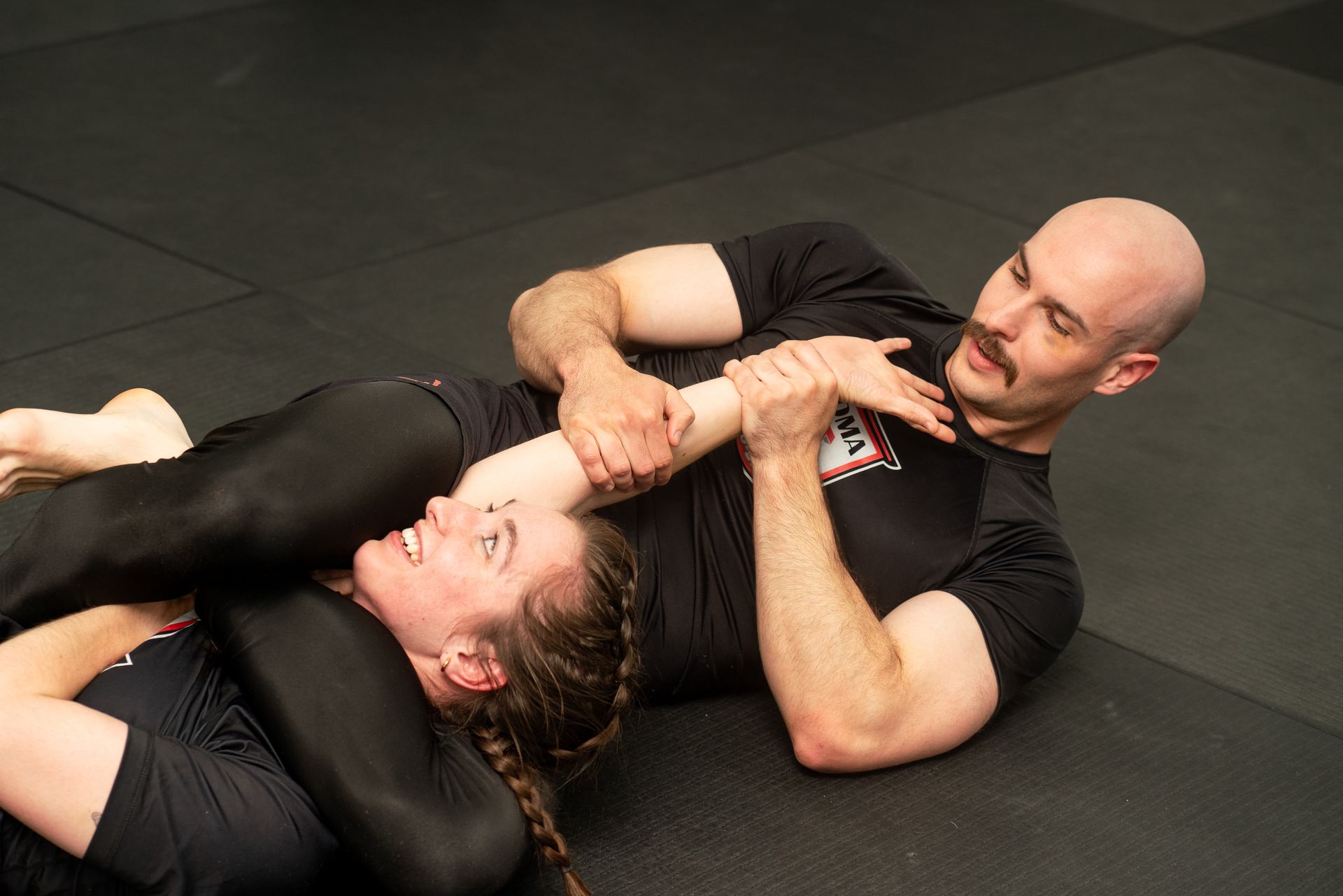
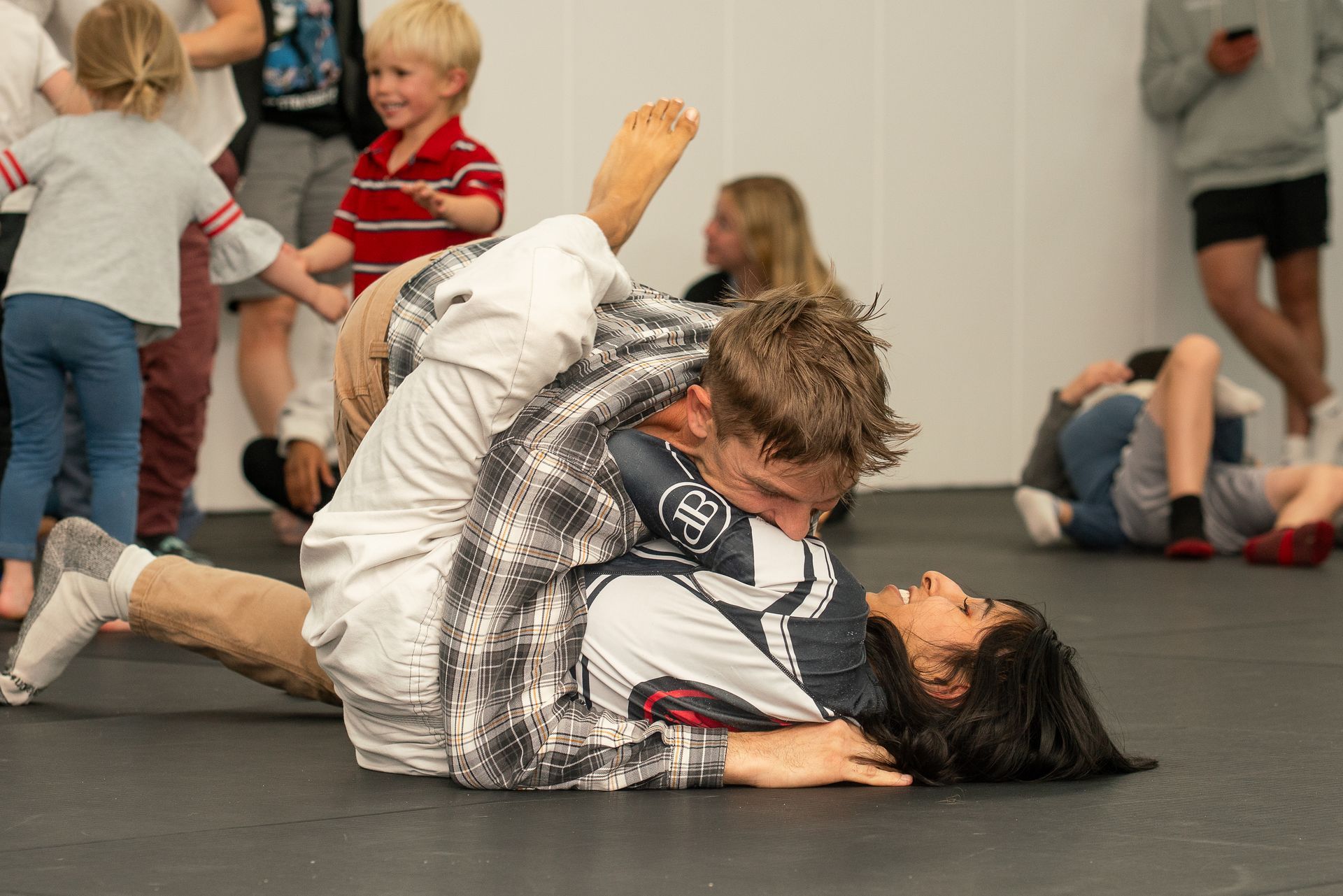
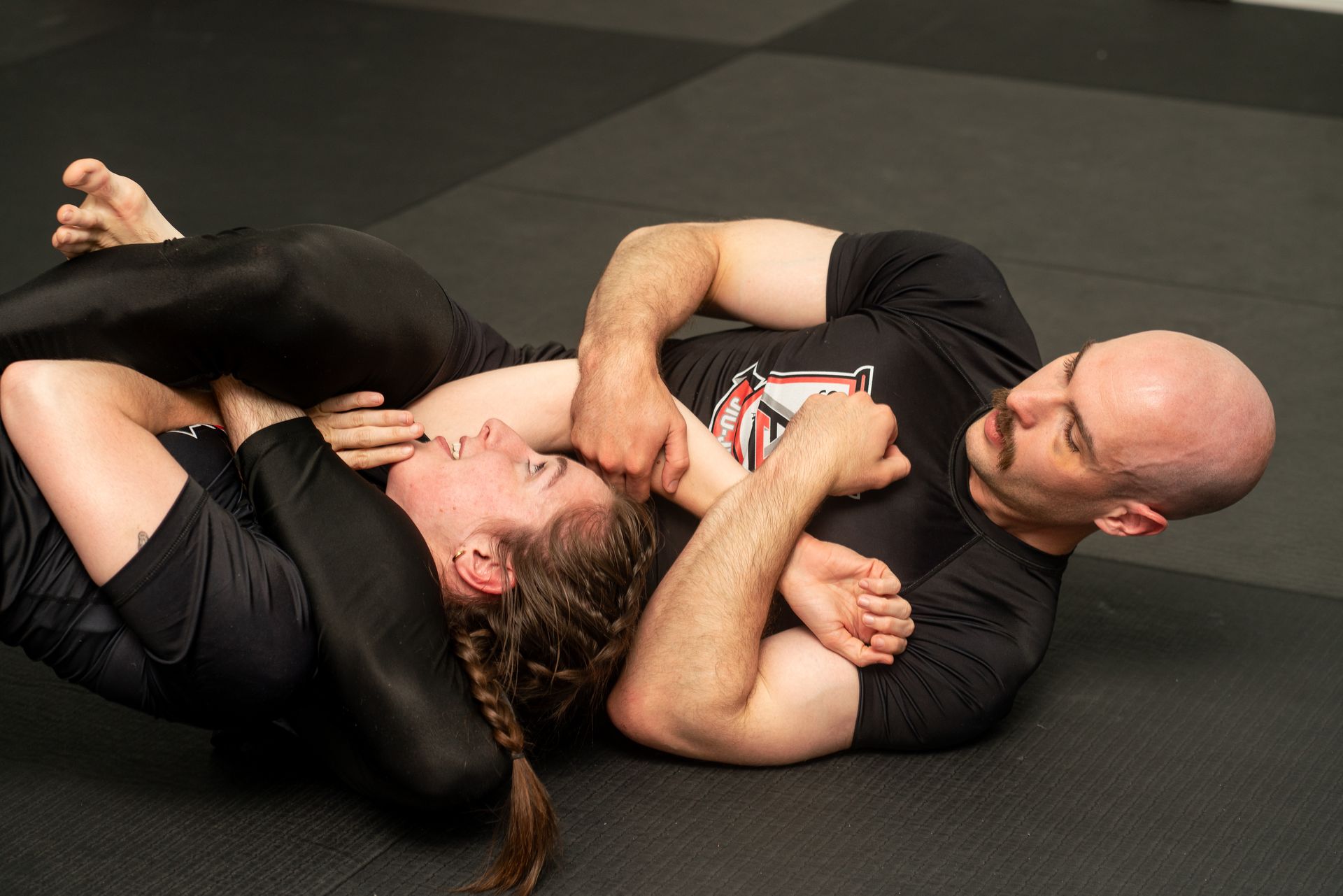
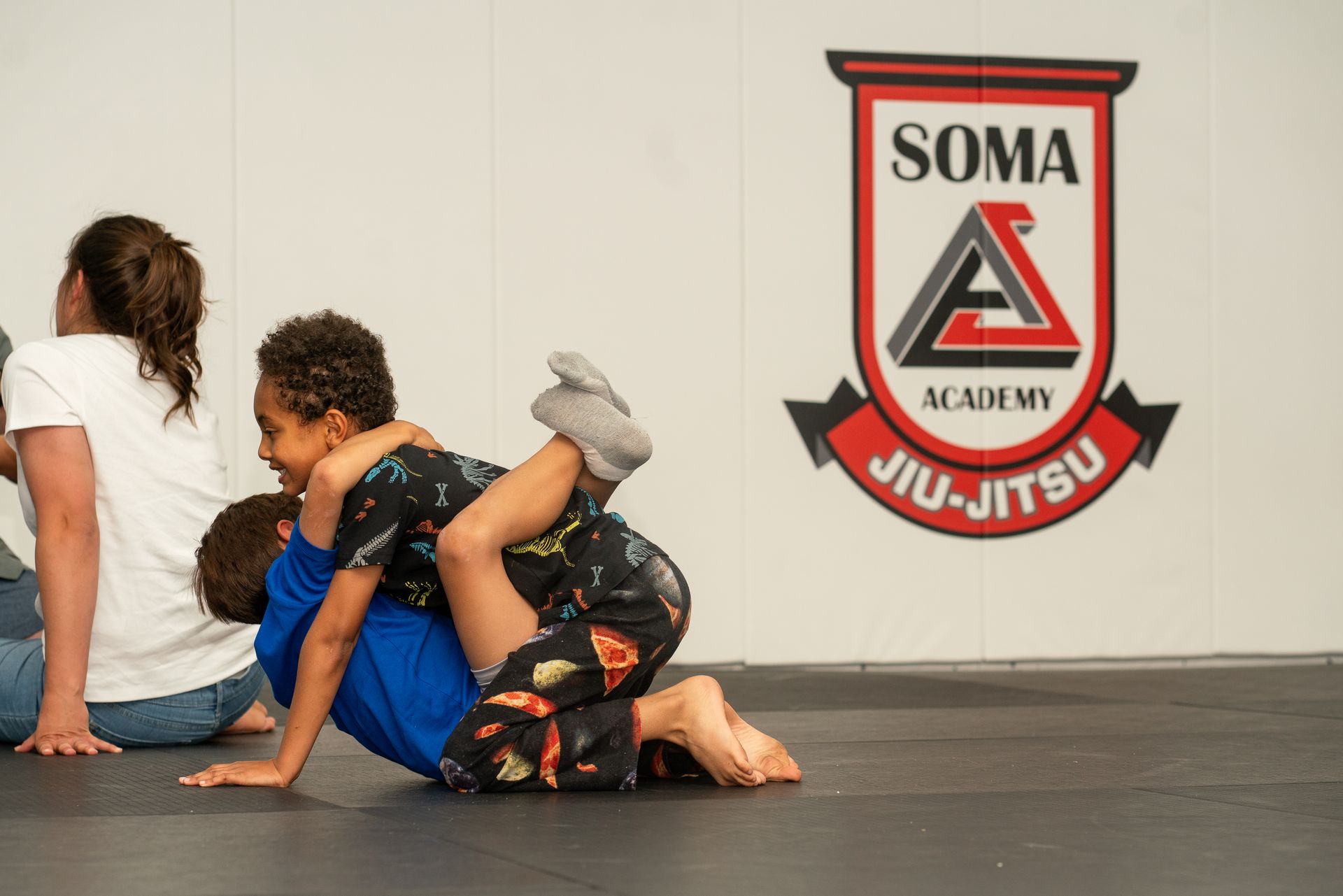
Grappling is like problem-solving with your whole body. You are tracking grips, frames, posture, balance, and timing while another person is trying to do the same. You cannot scroll mentally. You have to be present. That is one reason many people feel mentally clearer after class, even when they are physically tired.
We also like how measurable the progress is. You do not need motivation speeches. You can feel when your timing improves, when you stay calm longer, and when you make a smarter decision instead of a rushed one. Those are focus wins, and they add up.
What focus training looks like inside our classes
We build our classes so that attention is trained in layers. You do not get thrown into chaos on day one. You build a base, then we add complexity as your comfort and control improve.
A typical class experience includes:
- Technical instruction where we break down a movement into small pieces, so you learn what to notice
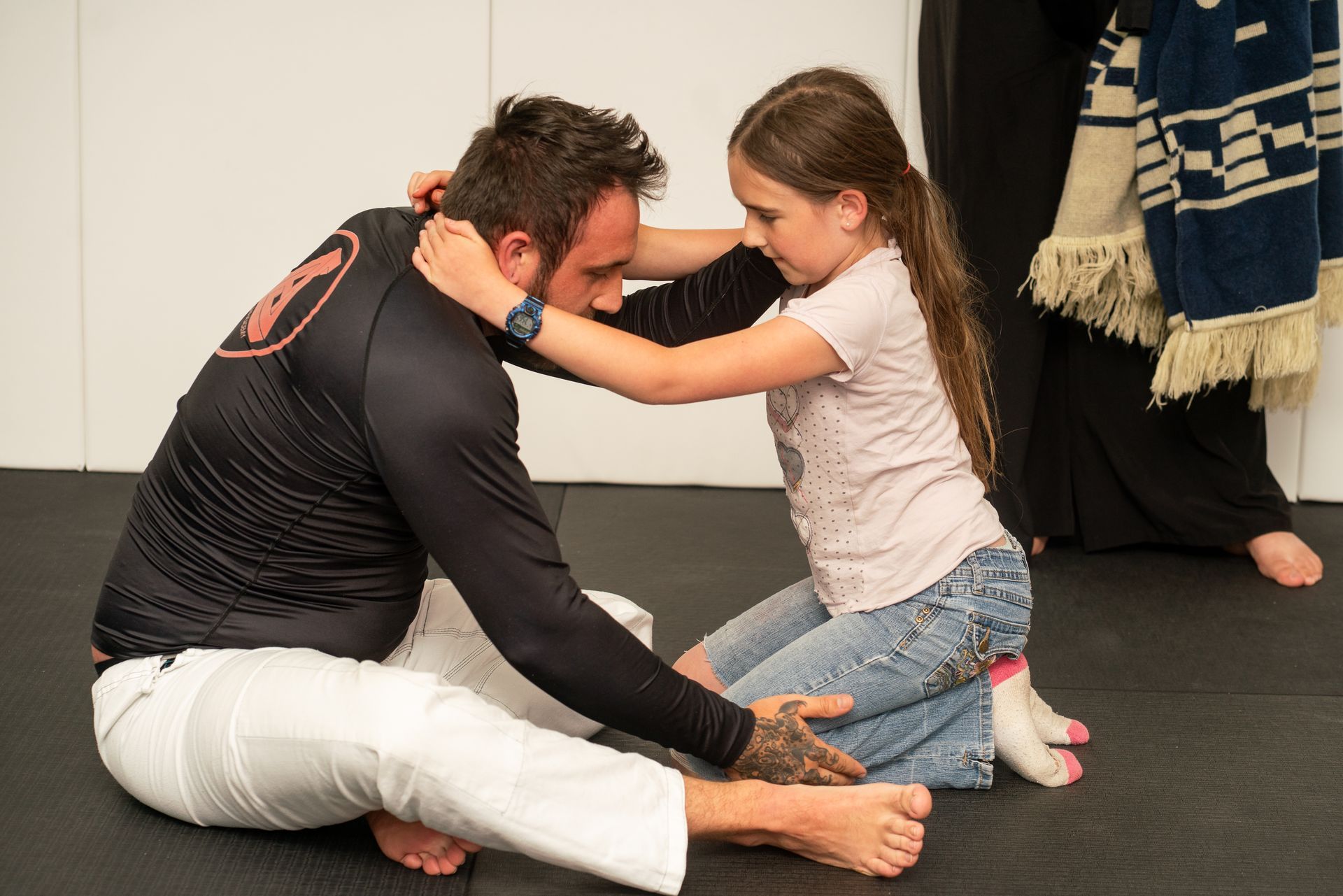
- Partner drills that force you to stay engaged, because the feedback is immediate
- Positional training where you solve one problem repeatedly until it clicks
- Live rounds where you practice staying calm, making choices, and recovering from mistakes
One detail that matters: we prioritize technique over ego. When people feel safe, coached, and guided, focus grows faster. You spend less mental energy worrying and more energy learning.
Focus benefits you can actually use at school and at work
You do not train just to be good at training. You train to be better everywhere else too. The mental habits built in martial arts transfer surprisingly well, especially in a place like Rexburg where performance expectations are high.
For students
Training supports:
- Longer study sessions without mental drift
- Better test-day composure and less panic
- Improved sleep quality from healthier stress cycles
- A more consistent routine, because classes anchor your week
We often hear that people study more efficiently after they start training. Not necessarily longer hours, just cleaner hours.
For professionals and shift workers
The transferable skills are real:
- Faster decision-making under pressure
- Better emotional control in difficult interactions
- More energy from improved cardiovascular health and strength
- A clearer boundary between work stress and home life
Even if your job is not “high intensity,” your brain still benefits from practicing calm attention and quick adaptation.
A simple starter plan for better concentration in weeks, not years
Focus improves with consistency, not perfection. You do not need to train every day. You need a plan you can stick with.
Here is a practical way to start:
1. Train two to three times per week for four weeks, and treat those classes like appointments you keep.
2. After each class, write one sentence about what you noticed mentally: calmer breathing, quicker reactions, better patience.
3. Pick one non-training task to apply the same skill, like finishing a homework block without multitasking.
4. Increase difficulty gradually, not by going harder, but by staying more present in drills and rounds.
5. Re-check your progress at the end of the month and adjust your schedule using the class schedule page.
Many people feel noticeable changes in a few weeks, especially with consistent attendance. Longer-term practice builds deeper benefits, including sustained improvements in reaction time and decision-making.
Safety, time, and the real-world concern: can you fit this in?
Rexburg schedules can be tight. We plan our program to fit real life, not an imaginary perfect week. Most students do best with a steady two to three classes per week, and if you are a parent or a student in a heavy semester, that steady rhythm is often more realistic than trying to do everything.
Injury risk is another common question. Any sport has risk, but we reduce it with progressive intensity, controlled drilling, and strong fundamentals. Technique and body awareness matter. When you move better, you protect your joints better. You also learn when to slow down, tap early, and prioritize long-term training over short-term wins.
Why families in Rexburg like the structure of martial arts training
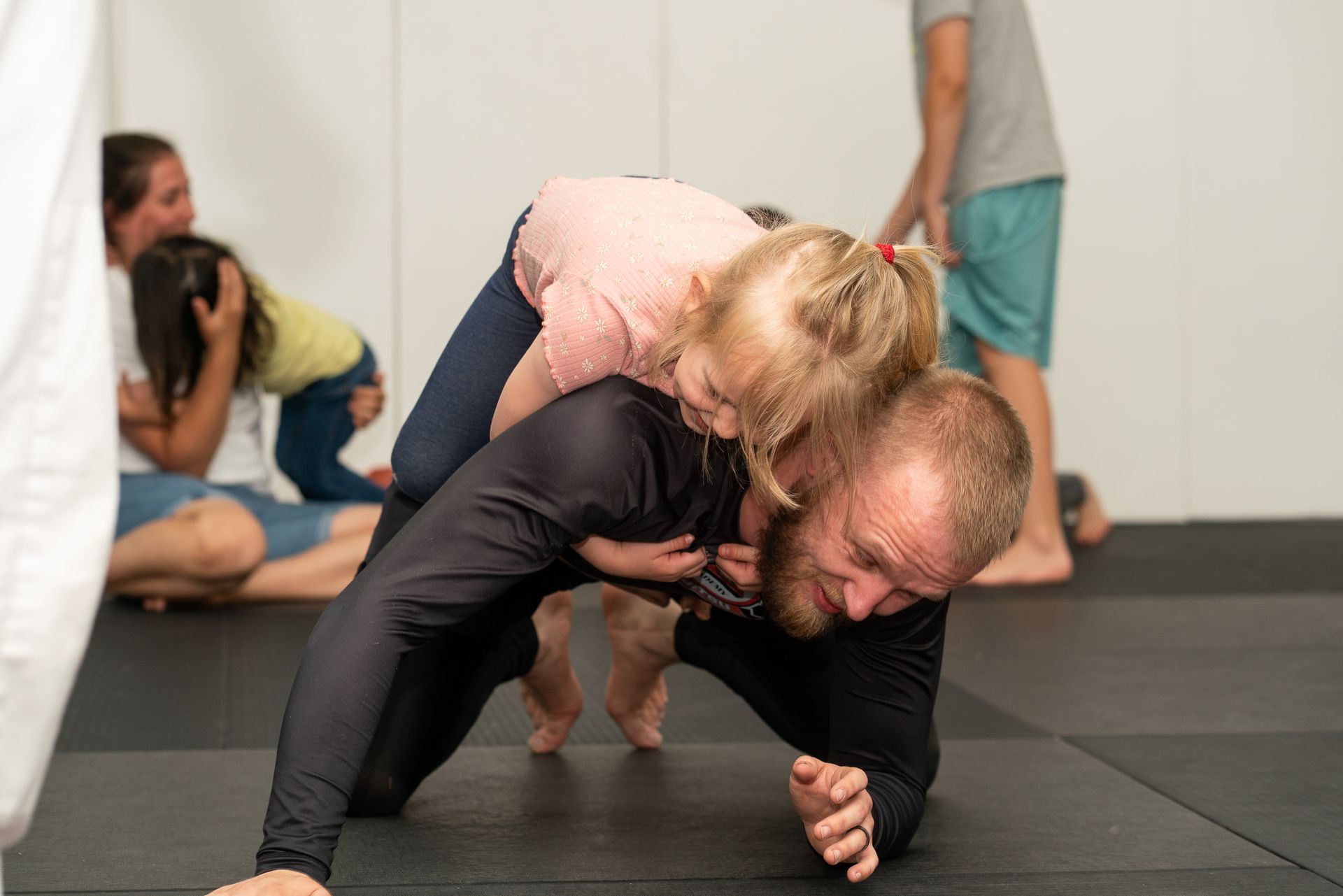
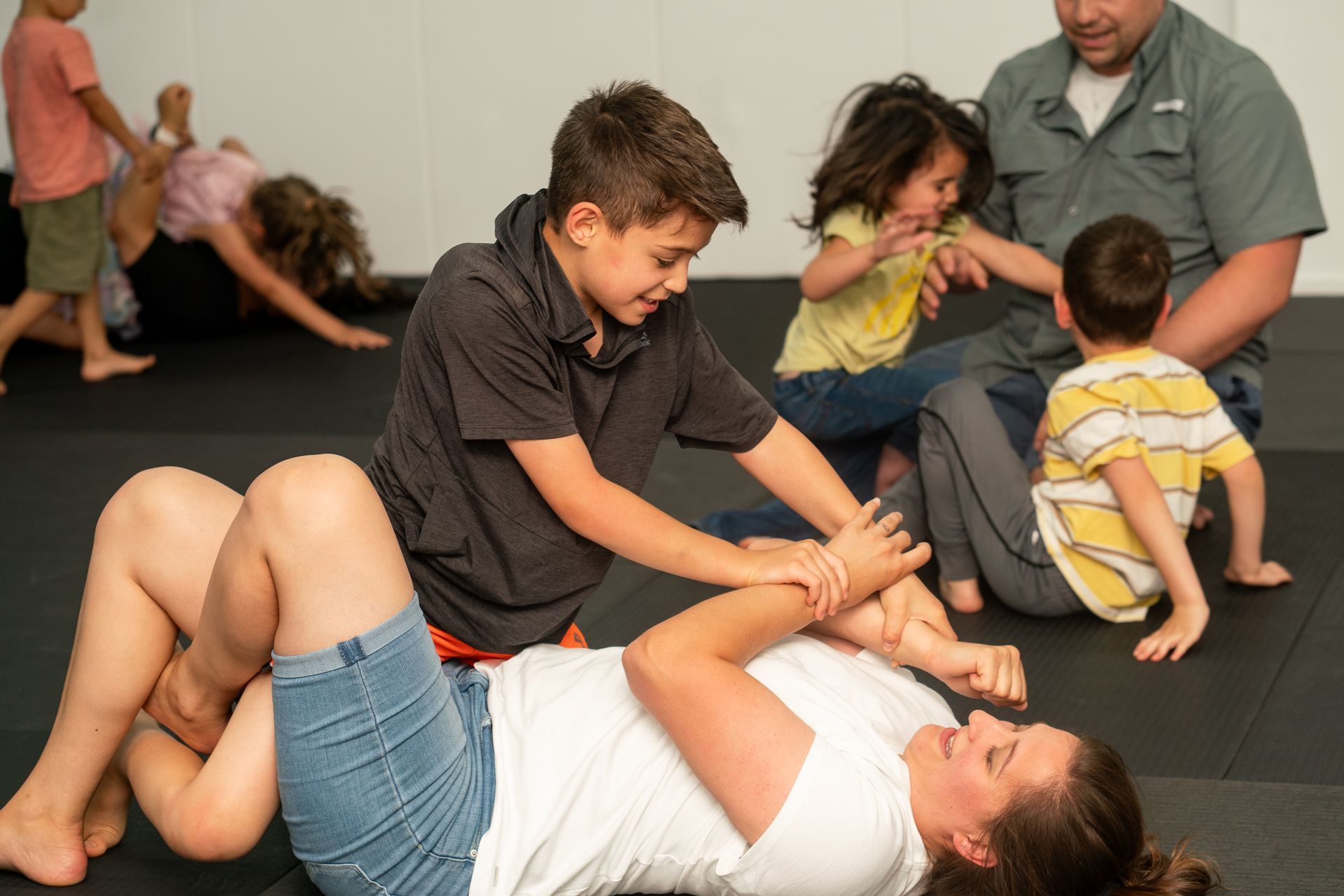
Rexburg is family-oriented, and parents often want activities that build discipline without turning into constant conflict. Martial arts works well because it is structured and goal-based. There is a clear path, clear expectations, and regular feedback, and kids usually respond well to that clarity.
For youth and teens, training can support:
- Better attention and classroom behavior through routine and self-control
- Stronger self-esteem from real skill development, not empty praise
- Healthier outlets for stress and energy
- Social growth through respectful partner work
For adults, the benefit is often that you feel more capable and more composed. That changes how you show up at home, at school, and at work.
Martial arts in Rexburg Idaho: making performance gains without burning out
When people search for martial arts in Rexburg Idaho, the goal is often more than learning techniques. It is about becoming the kind of person who can handle pressure, stay focused, and keep improving. Training gives you a place to practice that identity in a tangible way.
We keep the environment grounded. You train hard, but you do not have to prove anything on day one. You can be a beginner, a BYU-Idaho student trying to stay sharp, or a parent trying to feel healthier and more resilient. The common thread is that consistent practice builds a calmer, more capable version of you.
If you are looking for martial arts in Rexburg that supports real performance, the key is not intensity. The key is repeatable focus under realistic challenge. That is what makes the benefits stick.
Take the Next Step
If your attention feels stretched thin, martial arts training can be a surprisingly practical way to rebuild focus and performance without adding more stress to your life. We design our classes to help you develop skill, calm decision-making, and the kind of consistency that shows up in school, work, and family life.
When you are ready, Soma Jiu-Jitsu Academy is here in Rexburg with a clear class schedule, beginner-friendly coaching, and a training culture built around steady improvement, not hype.
Experience the long-term benefits of martial arts training when you join a free martial arts trial class at Soma Jiu-Jitsu Academy.
ACCESS OUR SCHEDULE
& EXCLUSIVE WEB SPECIAL
Secure your spot and get started today with our EXCLUSIVE offer!